Discover more
A walk across Bennerley Viaduct – affectionately known as the Iron Giant – will take your breath away.
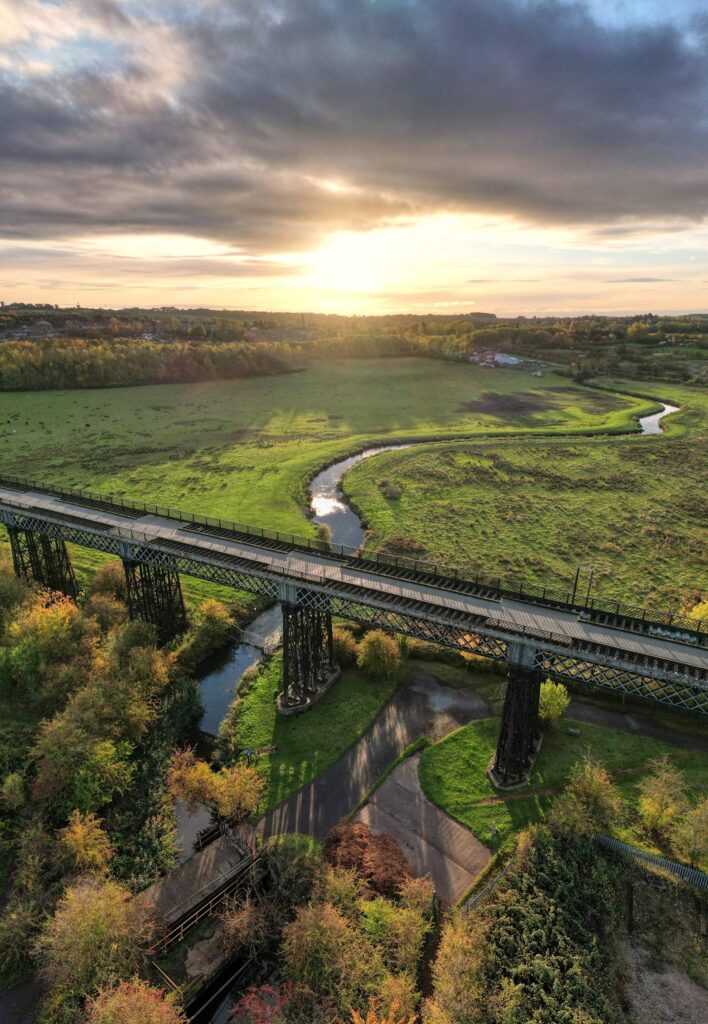
Rising high above the River Erewash, Bennerley Viaduct is one of the most striking landmarks in the East Midlands. Built in 1877–78 to carry trains across the valley, this vast iron structure stretches for 400 metres and its deck is 18 metres above the ground. Locals call it the Iron Giant, and once you see it, you will understand why.
Why is it known as The Iron Giant?
Standing on its iron legs above the valley, Bennerley dominates the landscape. Made almost entirely of wrought iron, it is both massive and surprisingly delicate, a web of columns, rivets and bracing that seems to float above the ground. For generations of local people, its sheer scale, strength and presence earned it an affectionate nickname: the Iron Giant.
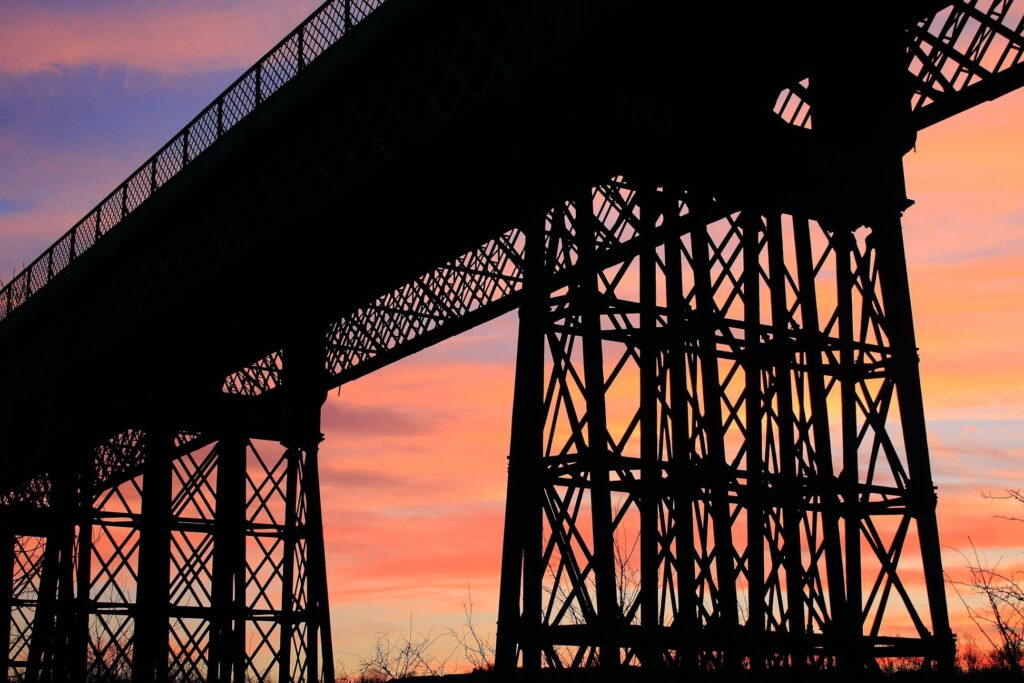
Bennerley is the longest Victorian wrought iron viaduct in the country and one of only two still standing in the UK. Historic England describes it as a stunning example of British engineering genius. Today, it is a place of calm; somewhere to walk, cycle, explore, pause, and take in the view.
The Eiffel Tower of the East Midlands
Visitors often say Bennerley reminds them of the Eiffel Tower in Paris. The comparison has been made for decades, and it is easy to see why.
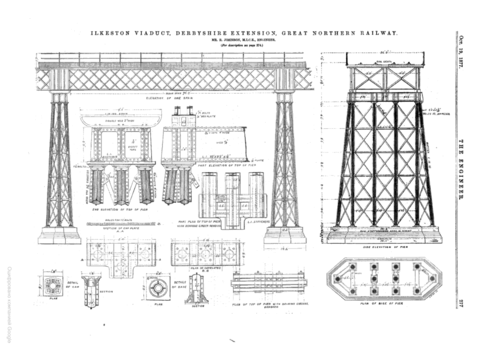
Both structures were built in the late 19th century, both rely on exposed wrought iron, and both celebrate engineering rather than hiding it. The latticework of rivets and braces at Bennerley echoes the same confidence and boldness seen in Paris.
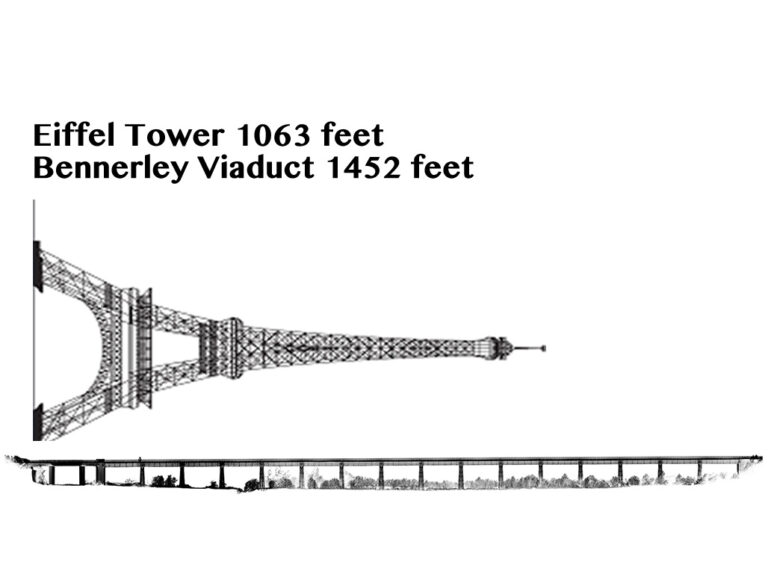
There is a fun twist though. If you laid the Eiffel Tower on its side, Bennerley Viaduct would be 122 metres longer. Two iron giants, built for very different reasons, both pushing the limits of what iron could do.
The night of the Zeppelin
One of the most dramatic moments in the viaduct’s history came during the First World War.
On the night of 31 January 1916, a German Zeppelin drifted over the East Midlands in thick fog. Mistaking the glow of local ironworks for a target, the crew dropped bombs near Ilkeston. One exploded close to the viaduct.
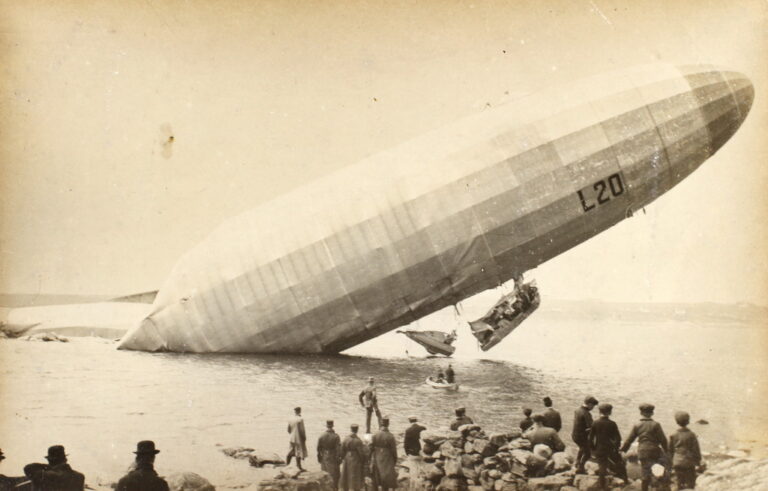
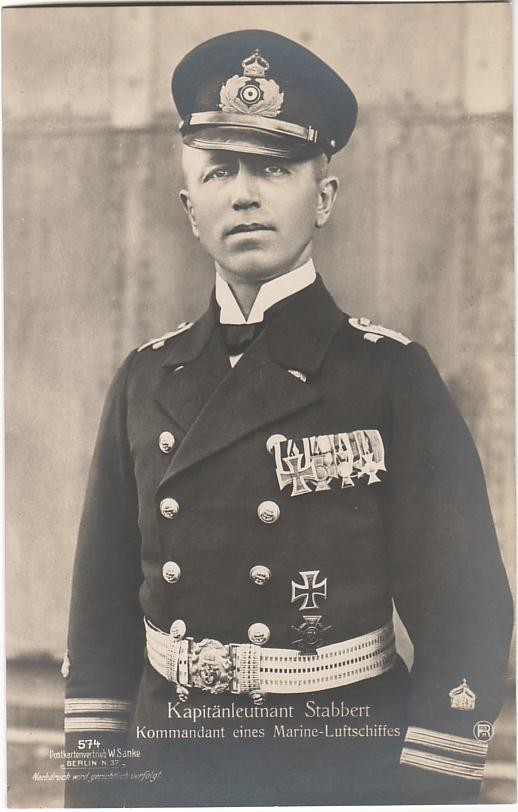
Shrapnel still marks the ironwork today. Two men and a cow were killed in the area.
A local child, three-year-old Jessie Harrison from Awsworth, watched a huge cigar-shaped airship pass overhead. She never forgot it, and her story has been passed down through generations.
DH Lawrence and the Iron Giant
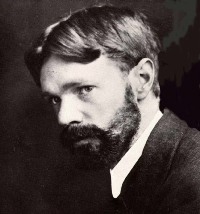
The Erewash Valley inspired writer DH Lawrence, who grew up nearby in Eastwood. He knew the viaduct well and wrote about the rattle of trains crossing it, in his novels. Standing on the site, it is easy to see why this landscape stayed with him.
Saved from demolition
After the railway closed in the 1960s, Bennerley Viaduct fell silent. The tracks were removed, and the structure was left without a purpose.
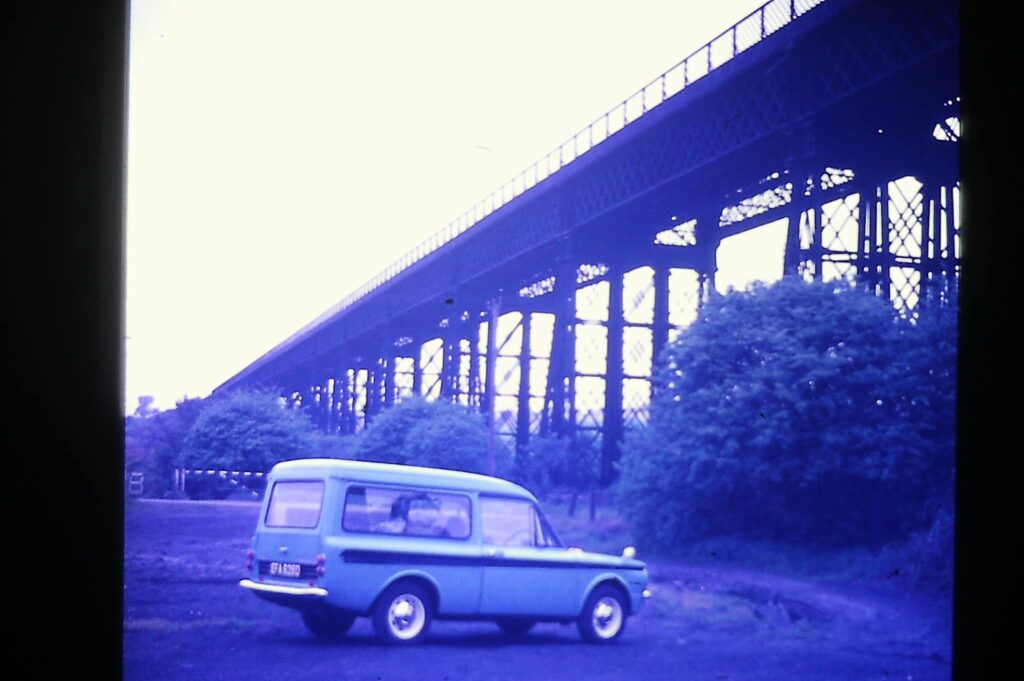
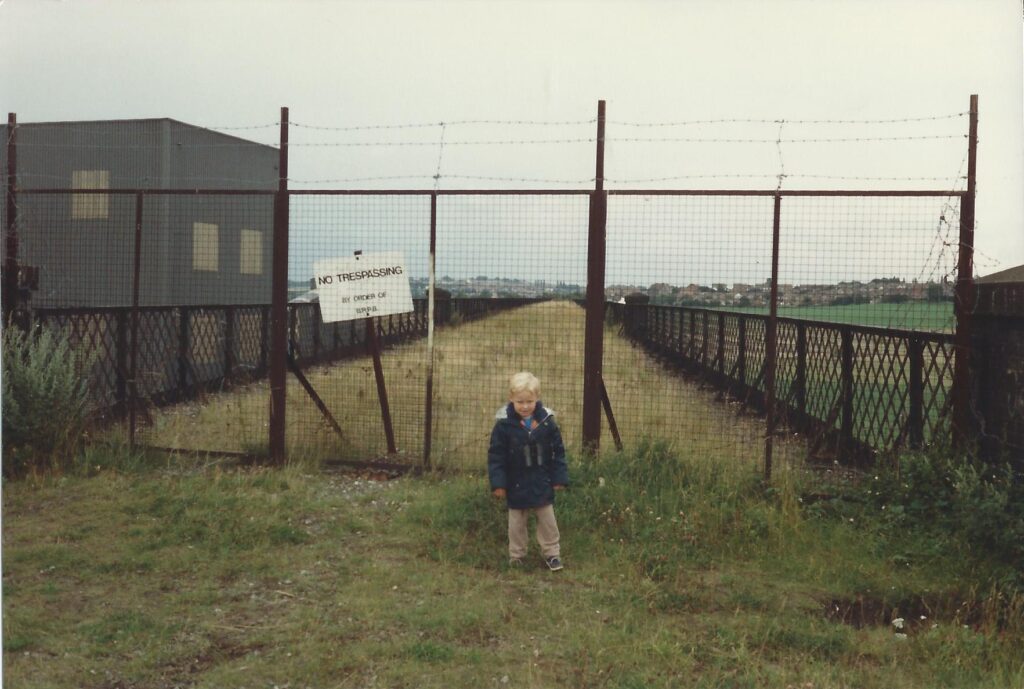
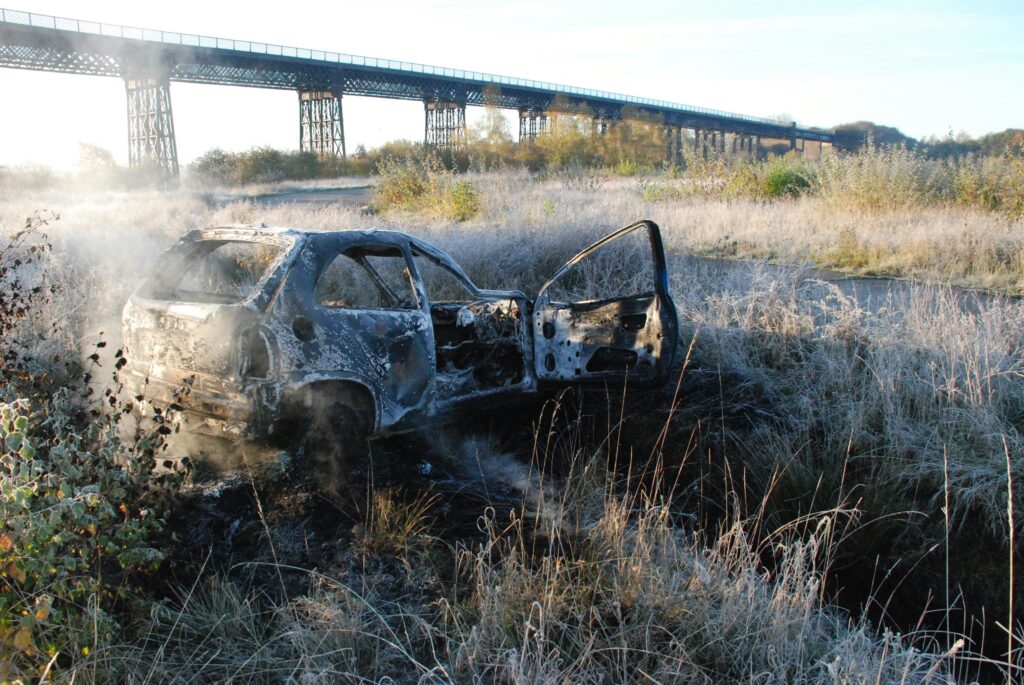
British Rail tried to demolish it, but the Iron Giant proved stubborn. In 1974, Bennerley was given Grade II* listed status, recognising its national importance.
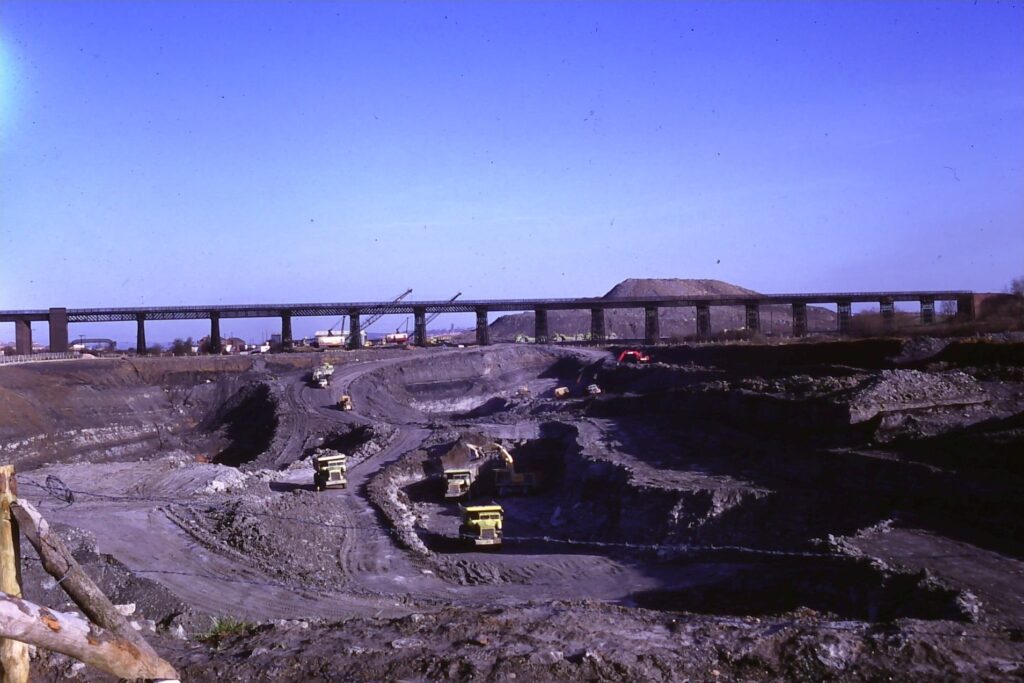
Local people refused to give up on it. Campaigns, public inquiries and years of determination kept the viaduct standing, even when it was marooned in an opencast coal site.
Welcome to the future
In the 21st century, the story changed again. Community support grew, and the Friends of Bennerley Viaduct was formed. Step by step, the Iron Giant was brought back to life.
In 2022, Bennerley Viaduct reopened to the public for the first time in more than 50 years. Today it welcomes walkers, cyclists and curious explorers. Beneath the structure, nature is thriving, with space for wildlife and people to enjoy the landscape together. A Visitor Centre was built to provide facilities for those who come to see this marvel of engineering, and space for exhibitions and events.
Bennerley Viaduct is more than iron and rivets. It is a survivor, a symbol of local pride, and a remarkable place to experience history in the open air.