The viaduct and the railways
Why was Bennerley Viaduct built?
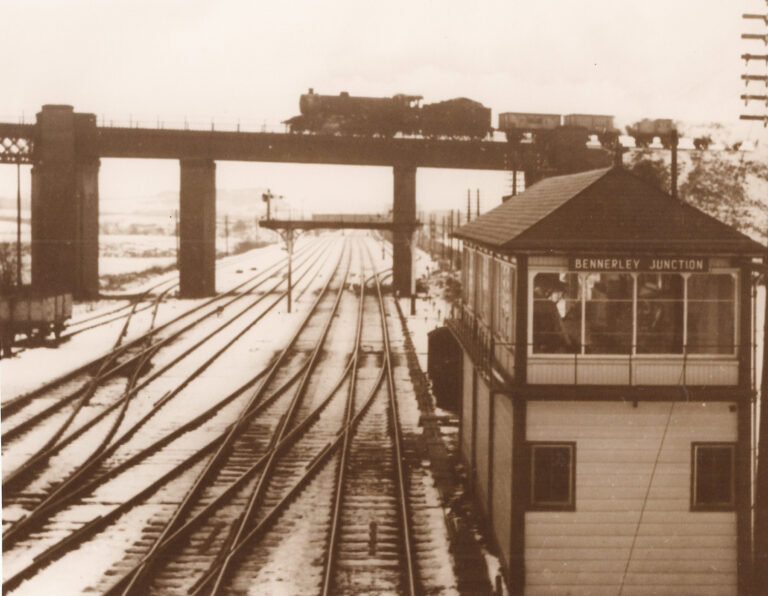
To understand Bennerley, you need to know about the East Midlands in the late 1800s. Coal, iron, and steam powered everything and railways competed to carry goods and passengers.
At the time, the Midland Railway dominated transport across the region. Coalfield owners, businesses and city leaders were frustrated. Transport costs were high, competition was limited, and growth was being held back.
The Great Northern Railway saw an opportunity. With support from powerful landowners and politicians, including the Duke of St Albans, Parliament approved a new railway in 1872. Known as the Friargate Line, it would run from Nottingham to Derby and beyond, slicing straight through Midland Railway territory.
One problem stood in the way. How do you cross a wide valley riddled with old mine workings?
The answer was Bennerley Viaduct.
A problem, solved with iron
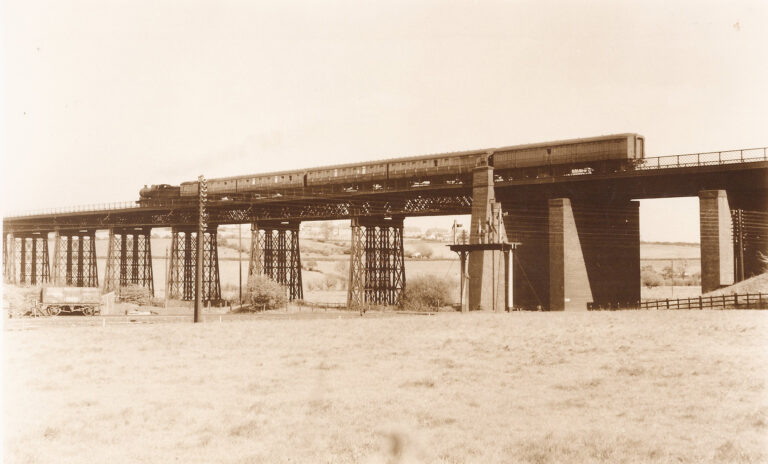
The Erewash Valley ground was unstable. A traditional brick viaduct would have been too heavy and risky. Instead, the engineers designed something bold, light and flexible.
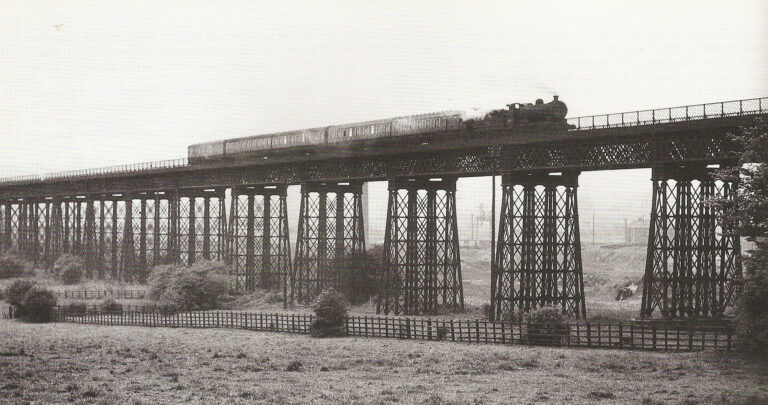
Bennerley Viaduct was built almost entirely from wrought iron. Its parts were made in Derby, transported to site, and assembled like a giant Meccano set using more than half a million rivets.
Rather than being fixed firmly into the ground, the iron structure simply rests on brick bases. Gravity holds it in place. This clever design allowed the viaduct to cope with movement caused by mining beneath it.
The result is a lattice of columns, bracing bars and rivets that is as beautiful as it is practical.
Who built the viaduct?
The engineers
The design came from Richard Johnson, chief civil engineer for the Great Northern Railway, and Samuel Abbott, the resident engineer. Their solution was inventive and confident, capturing the spirit of Victorian ambition.
The builders
Construction was carried out by Benton and Woodiwiss, a Derby-based firm with a national reputation. The company worked on major railway projects across Britain, including parts of the famous Settle to Carlisle line.
The navvies
Behind the iron and calculations was human grit. Railway navvies did the hard, dangerous work using basic tools. Accidents were common across Victorian railway building, and many lives were lost. Bennerley stands as a tribute to their courage and skill.
Trains, travellers and seaside trips
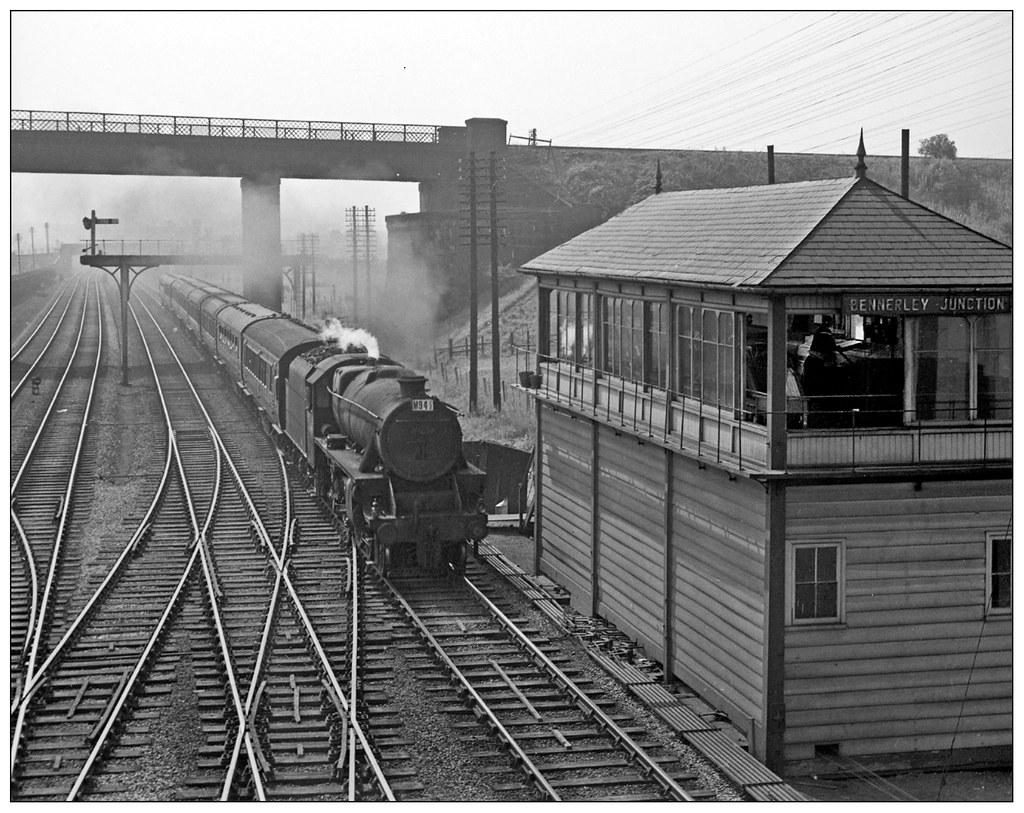
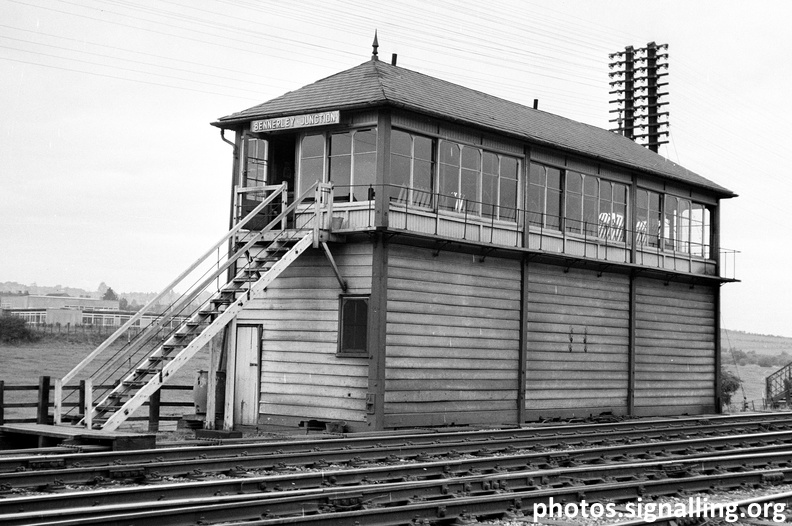
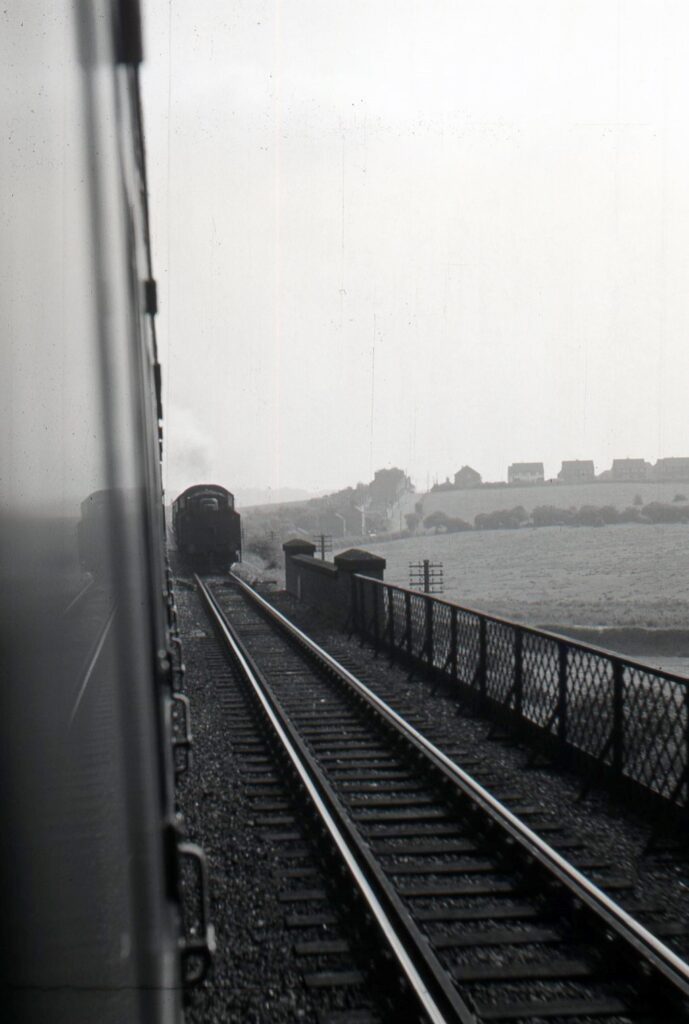
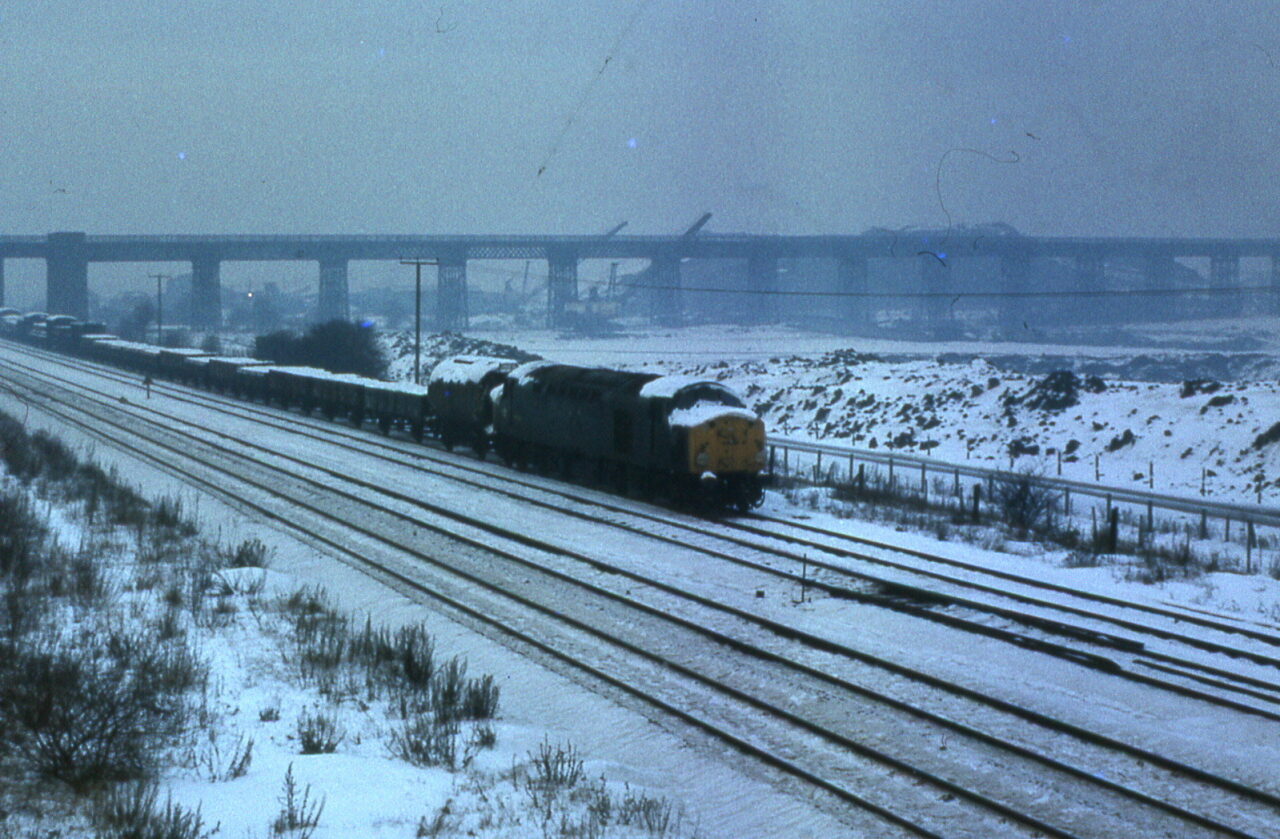
Bennerley Viaduct opened in January 1878. For the next 90 years it carried coal, iron ore, goods and passengers between Nottingham and Derby.
For local people, the railway meant opportunity. It connected communities, supported industry, and opened up leisure travel. On bank holidays, families piled onto trains bound for Skegness. A return ticket once cost just 13 shillings and sixpence.
The sound of trains rattling across the iron deck could be heard for miles. It became part of everyday life in the valley.
Want to know the full history of the viaduct and how it was saved from demolition? The Friends of Bennerley Viaduct (FoBV) have done a great deal of research; you can find much more detail on their website.